Observations & Modifications
While some of us may be spoilt for choice in terms of the area we have available, others may be seemingly restricted by factors that will determine the site for your garden. Either way it is important to make some observations to help you optimise the initial design or improve your garden.
Our site traditionally had a ‘ main garden’ a 5m x 5m area that was protected with netting to keep out birds/possums, some scattered fruit trees (citrus, stone and pip fruit) and a smattering of subtropical plants bananas, sugar cane, cherimoya on the margins.
The aspect was great, north to north-east facing and was a raised garden bed which flattened out the slope it was on. The garden wasn’t impacted by water running or pooling but was prone to quickly drying out and was compact in frequently trafficked areas like the top of the stairs (the only access way in)
We chose the second site (which came to be called the ‘terrace gardens’) which was previously a chook run because of its northerly aspect. It was on a significant slope and was barron and compact with native bush around the fringes. Rain water ran straight over the site flushing away any loose topsoil.
Both sites have optimal sunshine hours (because of their northerly aspect) however heavy rainfall during the winter and from tropical storms in the summer meant that we were losing a lot of topsoil and nutrients. They were sheltered by (mostly) native trees around the borders, however these same trees in places reduced the sun and falling branches presented a risk.
We modified both sites by digging cut off drains above and below to carry water away and retained the front edge of the gardens to create flat terraces to work on. The cut off drains also provide access which through use, will compact and improve them. The surrounding trees were pruned back to optimise sun and reduce the risk of damage from falling branches.
Our climate is subtropical and we worked out that we didn’t have enough chill hours (below 7 degrees celsius) for the pip and stone fruit trees to fruit properly so they were cut down to make way for more subtropical fruit.
Here are some of the influencers you might want to research for your site:
Macro influencers,
- What is your climate zone? Most of Aotearoa is temperate (or moderate) however Northland is subtropical.
- What is your regional climate NIWA provide an excellent overview of climate zones here Overview of New Zealand’s climate | NIWA
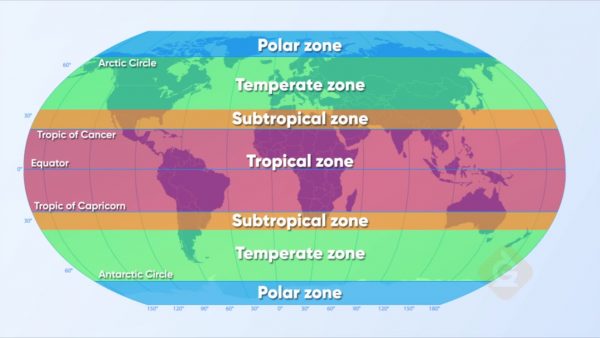
- Local effects eg. coastal bringing sea and valley breezes, temperature inversions, hills/mountains (orographic effects), urban heat islands
Most of the macro influencers can’t really be changed, from my experience your own observations play a much more important role. These more specific observations such as aspect, elevation, large barriers in each season are invaluable:
- Which way does the site face?
- Where does the sun rise and fall in each season?
- Are there any large obstacles ( trees, houses, roads) that could impact the site?
- Where does the water run or sit after rain?
- What impact does the prevailing wind have and is the area prone to seasonal storms or winds from another direction?.
- What is the elevation of the land (flat, sloped- how steep?)
At a micro level look at
- Soil type (pH, why is this important)
- Rocks
- Fences/windbreaks
- Trees, are they deciduous or evergreen?
- What areas frost?
- Which way do different slopes face?
Knowing this information in advance can help you to optimise your garden design (what you plant, where and when) and ultimately production in the future.
 Weekend Permaculture
Leave a comment